

Considering acupuncture for your beloved dog?
My practice focuses on treating canine patients, particularly those managing arthritis, back pain, or general age-related slowing down. Conveniently located in Great Chart, just outside Ashford in Kent, I provide a fully integrated service, working in partnership with your established vet to enhance your dog’s ongoing healthcare strategy.
Veterinary Acupuncture is a therapeutic modality that can address a variety of health issues in dogs by stimulating specific points on the body to promote healing and alleviate discomfort.
What conditions can acupuncture be used for in dogs?
The most common problems treated with acupuncture for dogs are arthritis, spondylosis and intervertebral disc disease (hernia). Arthritis secondary to trauma, hip dysplasia, torn cranial cruciate ligament and elbow dysplasia are all commonly seen.
In general, most diseases found in dogs can be treated with acupuncture and Traditional Chinese Herbs, these include:
- Musculoskeletal problems, such as arthritis, intervertebral disk disease, or traumatic nerve injury
- Respiratory problems including asthma and allergies. Dogs may see improvement through acupuncture by enhancing immune response and reducing airway inflammation.
- Skin problems for example lick granulomas, Histiocytoma and allergic dermatitis
- Gastrointestinal problems such as diarrhoea, loss of appetite or vomiting of unknown origin
- Cancer treatment
- Palliative care
- Behavioural problems such as anxiety and stress-related behaviours. They may be alleviated through acupuncture’s calming effects, promoting relaxation and emotional balance.
- Pain Management
The problems I am asked about most
The list above covers most of the problems I am usually presented with. There are a multitude of variations and combinations as each dog is an individual with their own patterns or root causes.
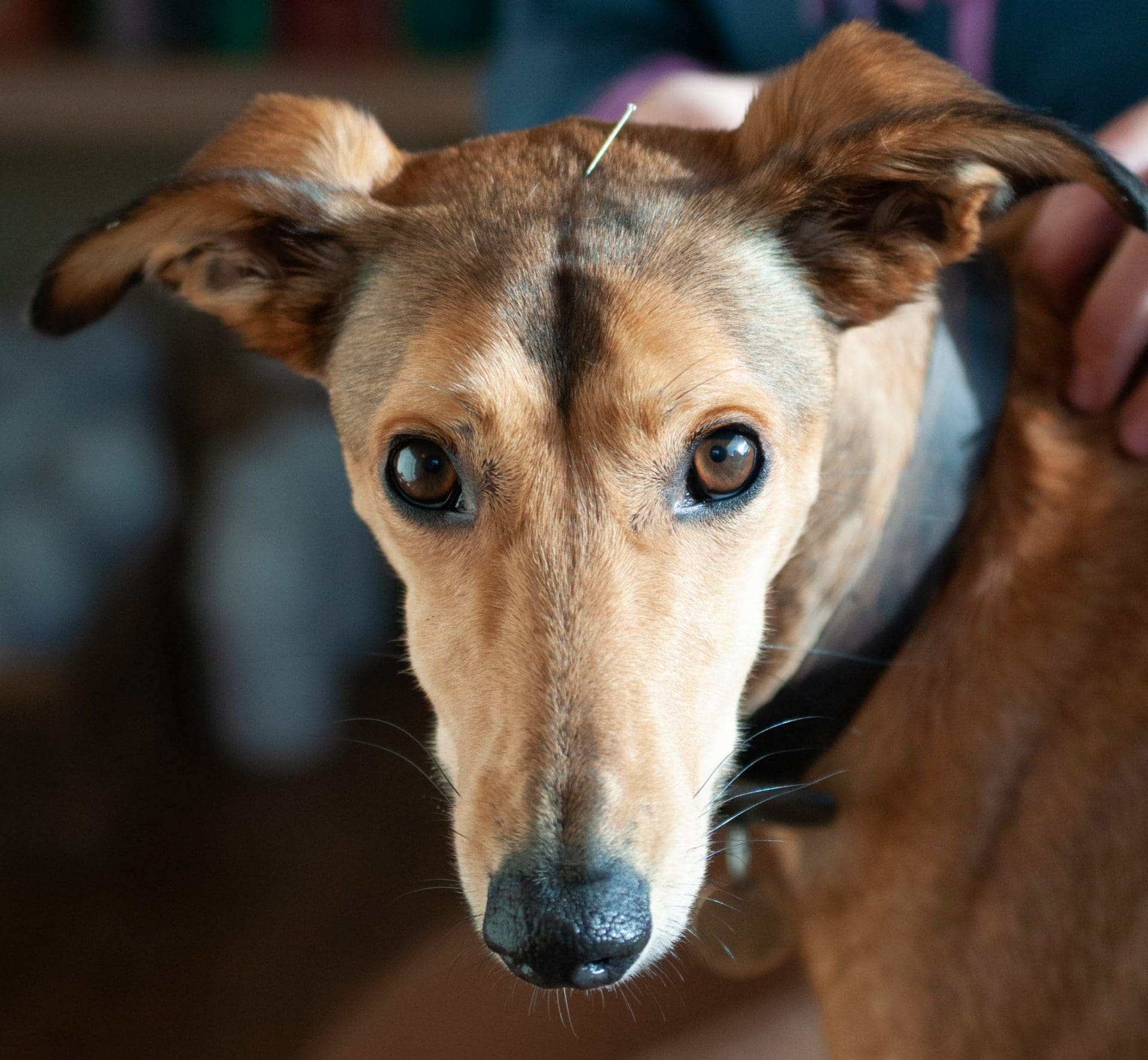
Arthritis, stiffness and hip dysplasia
Dogs are prone to arthritic changes and stiffness not only at an older age. We do see quite a lot of patients that take prescription medicine, with not enough effect. Our integrative approach focuses on reducing joint inflammation and easing the tight, compensatory muscles that overwork to support the misalignment. Acupuncture relaxes these deep muscle groups, increases local blood circulation, and triggers natural pain-relieving endorphins to improve comfort. Herbal medicine utilizes natural anti-inflammatories or targeted veterinary botanical blends, to reduce swelling, ease morning stiffness, and improve overall fluid movement within the joint capsule. This holistic combination works alongside standard therapies to safely improve a dog’s daily mobility and protect the joints from further wear. The aim is to have a pain free dog with the least amount of medication with the best quality of life.
Back pain, slipped discs and IVDD
Intervertebral Disc Disease (IVDD) is a degenerative spinal condition common in long-backed breeds like Dachshunds and French Bulldogs. It occurs when herniated or ruptured vertebral discs compress the spinal cord, causing pain and neurological deficit. Swift detection and intervention are vital to preserving patient mobility. Immediate referral to a 24-hour emergency hospital is critical if a patient exhibits: Acute weakness or loss of coordination in the hind limbs, knuckling over on the paws, complete paralysis or inability to support weight or loss of deep pain perception in the hind digits.
Early Indicators of Spinal Pain are: reluctance to jump, climb stairs, or lower the head to eat, an arched or hunched posture.Vocalisation or tensing when picked up or handled or a rigid belly due to referred pain can all be signs of back pain. We treat these symptoms with acupuncture, chiropractic treatment, herbal medicine and electroacupuncture or Laser treatment where appropriate. Early clinical intervention often prevents progression.
Hind limb weakness and nerve problems
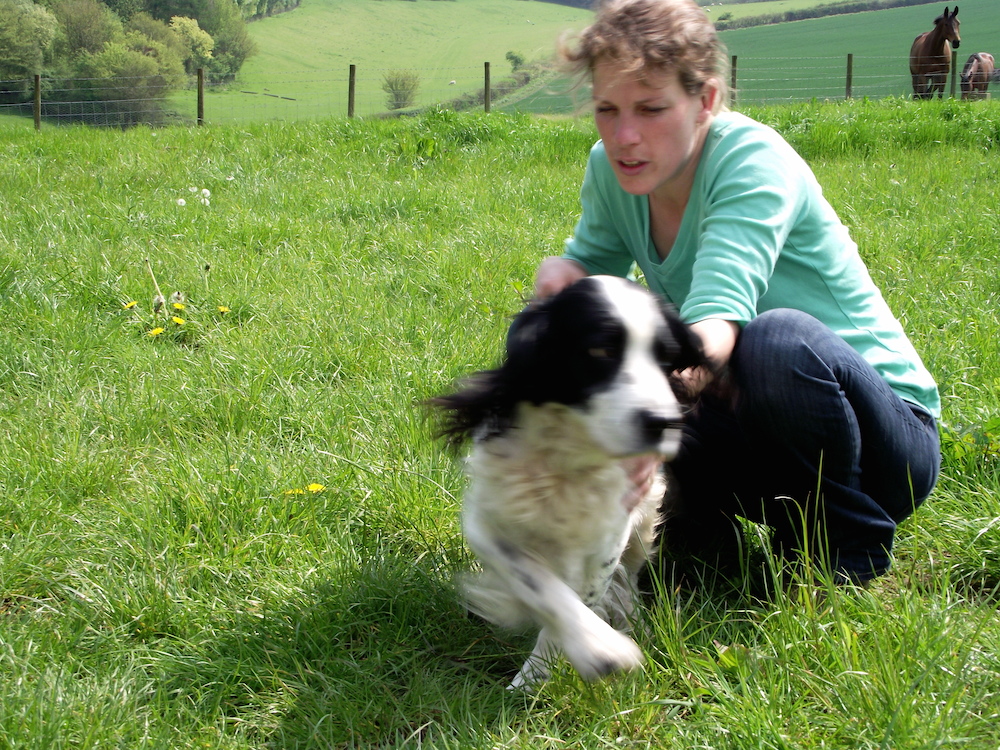
We frequently support older dogs with hind-end weakness, companions recovering from spinal surgery, and pets healing from nerve injuries. In these scenarios, rehabilitation is a gradual, steady process. Owners often note a heartening trend: improvements in coordination and stamina usually become visible during walks well before they are noticeable around the house.
Skin disease and Lick Granuloma
A lick granuloma is a frustrating, persistent sore patch that a pet simply will not leave alone, most commonly found on a dog’s front leg. While it appears to be a superficial skin condition, the root cause is rarely skin-deep. These sores are almost always driven by underlying joint discomfort, localized pain,behavioral boredom or deeper lying patterns like food intolerances and allergies. Because of this complex origin, treating the skin lesion alone rarely resolves the issue. Our comprehensive veterinary assessment looks at the whole animal, identifying and addressing the underlying physical or environmental triggers to provide your dog with lasting relief.
Integrative Support for Epilepsy and Seizures
Managing canine epilepsy requires a careful, multifaceted approach. We utilize acupuncture and traditional Chinese herbs as powerful supportive therapies alongside the conventional medications prescribed by your primary veterinarian. For some patients, targeted holistic care can successfully manage symptoms well enough to keep them off conventional pharmaceuticals for extended periods.Our treatment plans are fully customized and dynamically adjusted based on clinical appearance and overall vitality. We carefully track success by measuring episode-free intervals and monitoring the duration of time between seizures. By closely analyzing these specific clinical metrics, we carefully tailor our therapies to achieve the best possible quality of life for your dog.
Anxiety and stress-related behaviour
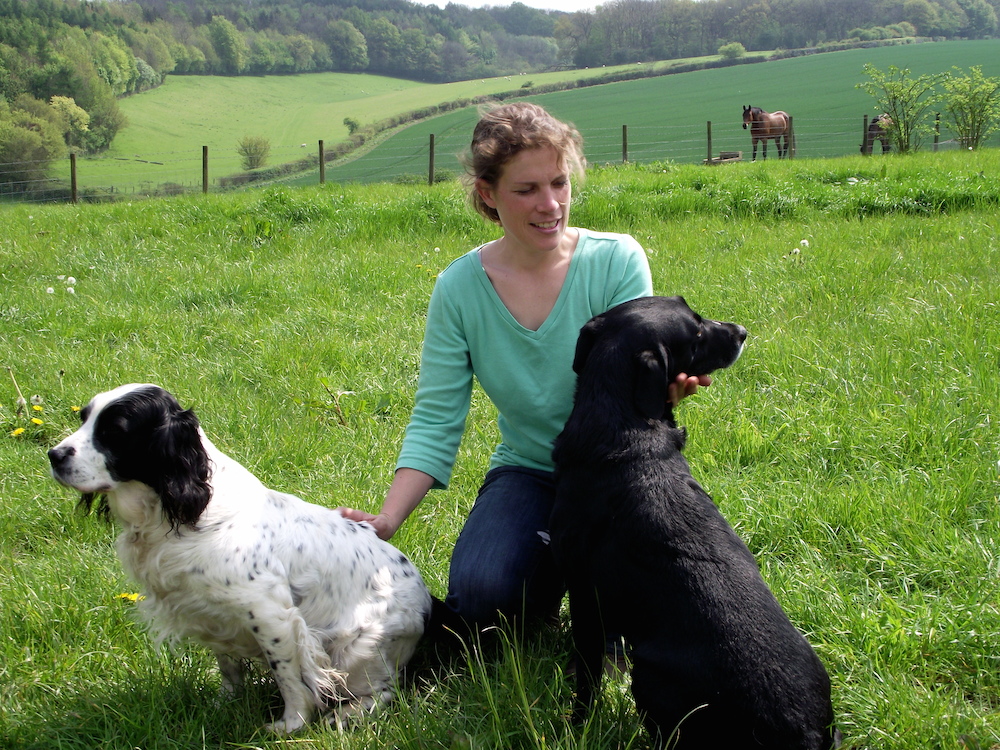
Acupuncture provides a calming effect that supports emotional balance. It is often utilized to alleviate anxiety and stress-related behaviors in dogs. Particularly in combination with herbal medicine progress can be made. Working together with a behavioural specialist can improve the outcome in difficult cases.
What can I expect during acupuncture treatment for my dog?
During an acupuncture session with Julia, your dog will be comfortably positioned, typically lying down or sitting. Julia will insert fine, sterile needles into specific acupuncture points on the body. The insertion is generally painless and many dogs become relaxed or even sleepy during the session. The duration of each session varies but typically lasts between 10 to 30 minutes. The number of sessions required depends on the condition being treated and the individual response of your dog. However we can give you an indication as to the number of sessions that will be required once we have met your dog and made an individual assessment.
What to expect after the treatment?
Post-treatment responses can vary amongst dogs. Some may exhibit increased energy, while others might be more relaxed or sleepy. It’s common for dogs to rest more following a session, which is a normal part of the healing process. Monitoring your dog’s behaviour and symptoms after treatment is important. If you have any concerns please don’t hesitate to contact us.
Where we are
The practice is at Great Chart, a couple of minutes outside Ashford in Kent, with parking on site. Owners travel to us from across Kent and the wider South East, including Ashford,London, Canterbury, Maidstone, Folkestone, Tenterden and the surrounding villages.
If you are not sure whether acupuncture would suit your dog, please ring or email us, we are happy to help.
Frequently Asked ‘Acupuncture for Dogs’ Questions
At Chirovet, acupuncture for dogs is a therapeutic technique that involves inserting fine, sterile needles into specific points on a dog’s body to stimulate healing and alleviate various health issues. This practice, rooted in traditional Chinese medicine, aims to balance the body’s energy flow, known as “Qi,” and has been adapted for veterinary usage to address a range of canine health conditions.
Acupuncture offers several benefits for dogs, including pain management, reduced inflammation and improved mobility. It is particularly effective in treating conditions such as arthritis, intervertebral disc disease, skin and gastrointestinal disorders. Additionally, acupuncture can enhance blood circulation, promote tissue healing and support the immune system, contributing to overall well-being.
When performed by a qualified veterinary acupuncturist such as ourselves at Chirovet, acupuncture is generally safe for dogs, with minimal risks and side effects. Most dogs tolerate the procedure well and adverse reactions are rare.
Most dogs experience little to no discomfort during acupuncture sessions. The needles used are very fine and many dogs become relaxed or even sleepy during treatment. Some dogs may feel a slight tingling sensation or warmth at the needle insertion sites, but these effects are typically mild and short-lived.
The number of acupuncture sessions required varies depending on the condition being treated and the individual dog’s response. Typically, a series of sessions is recommended to achieve optimal results. Some dogs may show improvement after one or two sessions, while others might need ongoing treatments to maintain benefits. We’ll be able to develop a tailored treatment plan based on your dog’s specific needs.
Acupuncture triggers the release of the body’s natural painkillers, like endorphins, which boosts the effect of your dog’s current prescription drugs.The tiny needles increase blood flow to tight muscles and sore joints, helping oxygen reach the tissue and remove waste. When acupuncture successfully manages discomfort, we might be able to lower your dog’s pain medication dose, reducing stress on their organs. As it helps to block ongoing pain signals in the nervous system that medications alone might not fully reach.
Older dogs are a large part of my caseload and they often respond very well. A gentle, integrative approach usually improves the quality of life considerably without impacting in a negative way.
Our practice is located in Great Chart, just outside Ashford in Kent, with parking on site. Owners travel to us from across Kent and the South East.