

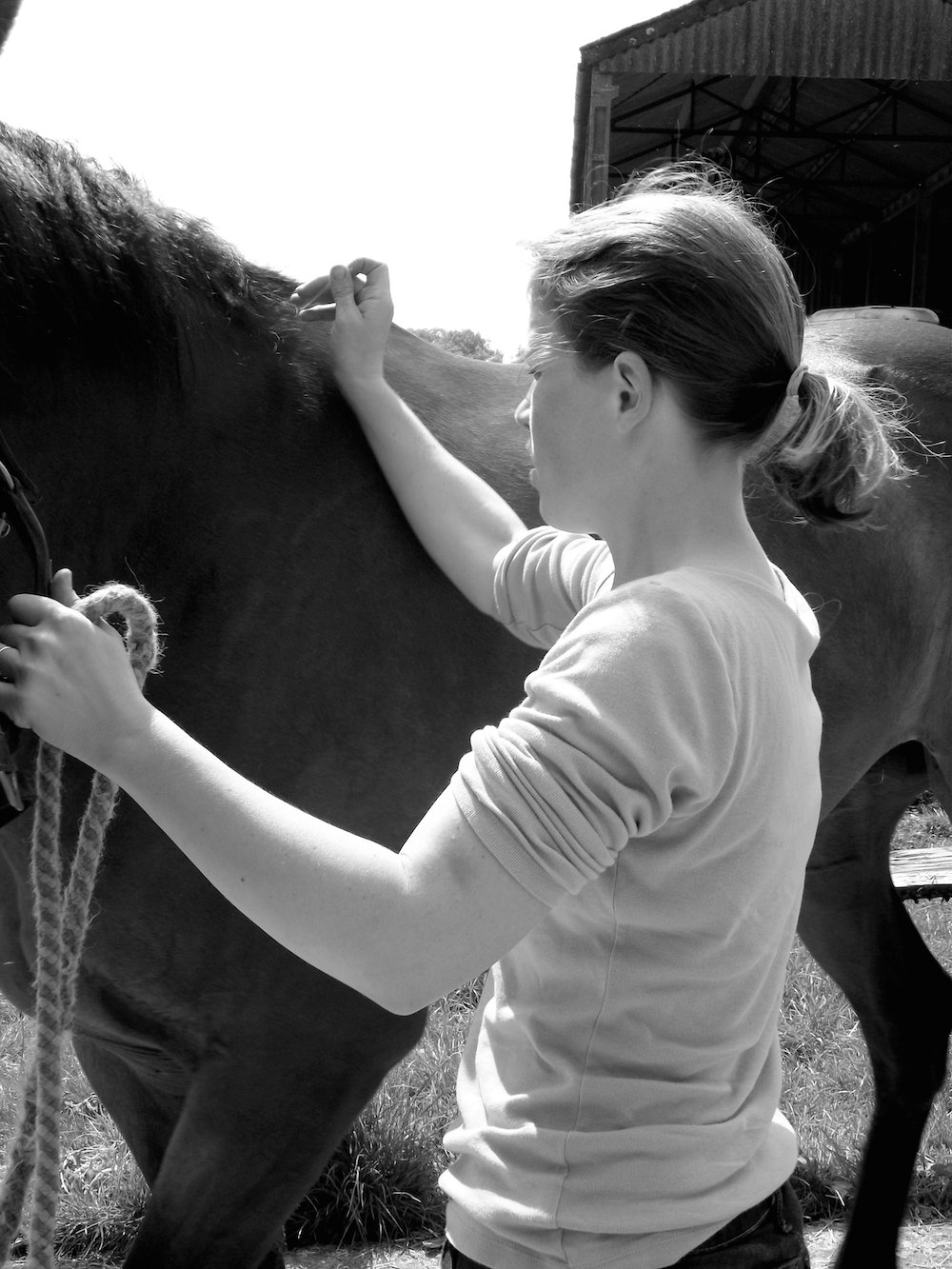
Holistic care for dogs, cats and horses with cancer
Cancer is one of the most common reasons owners come to me. For over fifteen years I have supported dogs and cats from the practice in Kent. I am now located in Great Chart, just outside Ashford in Kent, working alongside the conventional vet who handles the conventional care and any surgery or chemotherapy.
Our approach to animal cancer care
For over 10 years now I have been treating my patients with holistic veterinary medicine including Acupuncture, Chinese and Western herbals, Food Therapy, Chiropractic, Tui-Na and Homeopathy. Most of my patients have a conventional veterinary practice they are concurrently working with for diagnostics and pharmaceuticals as needed. Some pet owners have chosen not to pursue any allopathic treatments, such as chemotherapy and/or radiation, and elected to use my natural modalities for palliative care that aim to strengthen the immune system so the body can heal itself. Others have elected to pursue my holistic treatments as a complementary approach and have found a reduction of side effects, an overall better response and coping mechanism for the conservative treatments, and most important an improved quality of life. To me it is important that we look at the whole picture therefore my first consultations are around 1-1.5 hours long. We discuss the surroundings, the exercise according to the ability of the patient, the feeding and how to improve it and of course the line of treatment the owner wants to pursue. The diagnosis ‘Cancer’ is daunting so we take time to answer your questions as well as we can and support you all the way. It is important to remember that holistic veterinary treatments are individualised and treat the entire body, not just the presenting complaints.
Not all pets have the same recommendations for diet, supplements, and acupuncture. The reason I have success in treating cancer using holistic therapies, is that they are tailored to the individual instead of using a generalised protocol for type of cancer. As an example three dogs with the same tumour might have three very different treatment plans. The reason for this is that I look at the whole picture, take in account their constitution, character, medical history, environmental exposure, diet and so on.
It is important to remember that there are some really great herbs that can actually augment chemotherapy but some that can impair. Please use caution in starting supplements without direct veterinary guidance from a veterinarian who is comfortable or specialises in this. It is important to have a tailored treatment plan to utilise the treatments to their full potential and not counteract.
Mistletoe therapy for dogs and cats
Mistletoe has a tumour inhibiting effect, it modulates and improves the immune system. Mast cell tumours, soft tissue sarcomas and carcinomas respond particularly well to it.
It is given as a course of treatment rather than as a one-off and is one of the ‘work horses’ of cancer treatment in holistic medicine. It can be a choice for animals being too weak for chemotherapy- where owners decide against conventional treatment or alongside palliative and geriatric care. What owners tend to notice first is improvement of appetite, energy and general brightness.
Cancer diagnostic services for dogs and cats
At Chirovet we work together with the conventional vets for the diagnostics of cancer. Blood tests, Biopsies, Ultrasounds, MRI and Radiographs will be performed with your conventional veterinary practice. At our practice we use Traditional Chinese Medicine modalities such as Pulse and Tongue diagnostic to evaluate additive important information about the patient’s constitution. This information will aid and guide to find the best individual treatment.
Cancer treatment services for dogs and cats
This is extremely important to make sure you are giving appropriate therapy for your pet’s specific type of cancer. It is almost impossible to weed through the plethora of recommendations provided by a Google search. Remember, you can do harm with supplements. Just because they are natural, does not mean they are helpful or even safe.
At your first appointment we go through the whole medical and non-medical history, your findings, characteristics of your pet, feeding and exercise routines including the whole environment. We will select herbal formulas, supplements, food and exercises tailored to your animal’s needs. Holistic treatments are individualised and treat the entire body, not just the presenting symptoms. They look at and treat the root of the problem not only the complaint itself. It is important to remember this whether you use holistic therapies on their own or as a complementary modality.
Herbal Remedies stimulate and modulate the immune system to decrease abnormal growing cells, healing endorphins are released which will as well significantly decrease pain and inflammation by removing blockages. All these mechanisms will cause a cascade of positive events and stimulate and target the killing of cancer cells without compromising the body by giving harmful toxins.
Looking at the diet is another very important tool in fighting cancer. All kibble diets, no matter how high-quality or expensive, are heavily processed. This is something that needs addressing and we choose a balanced diet depending on the individual case.

Cancer support for cats
Cats are a smaller part of my caseload than dogs, but they respond well and they are often the animals owners feel most helpless about. Cats hide illness, they tolerate conventional treatment less easily than dogs, and by the time something is found the options can already feel very limited.
Acupuncture is usually better accepted by cats than owners expect. Most settle within a few minutes and a good number fall asleep during treatment. Alongside that I use Chinese herbal formulas, food therapy and, where it is appropriate, mistletoe.
Lymphoma, mammary carcinoma and injection site sarcomas are the ones I am asked about most often in cats. As with dogs, the plan is built around the individual animal rather than around the type of tumour.
When the aim is comfort rather than cure
Not every case is about treating the cancer. A good proportion of the animals I see are past that point, and the aim is simply to keep them comfortable, eating and enjoying themselves for as long as that is possible. Acupuncture and herbal medicine works well for pain that is no longer responding to conventional medication on its own. Combined with food therapy they help with appetite, nausea and energy.
I will always be honest with you about what treatment can and cannot achieve. If I do not think I can help, I will tell you.
How we work with animal cancer patients and their owners
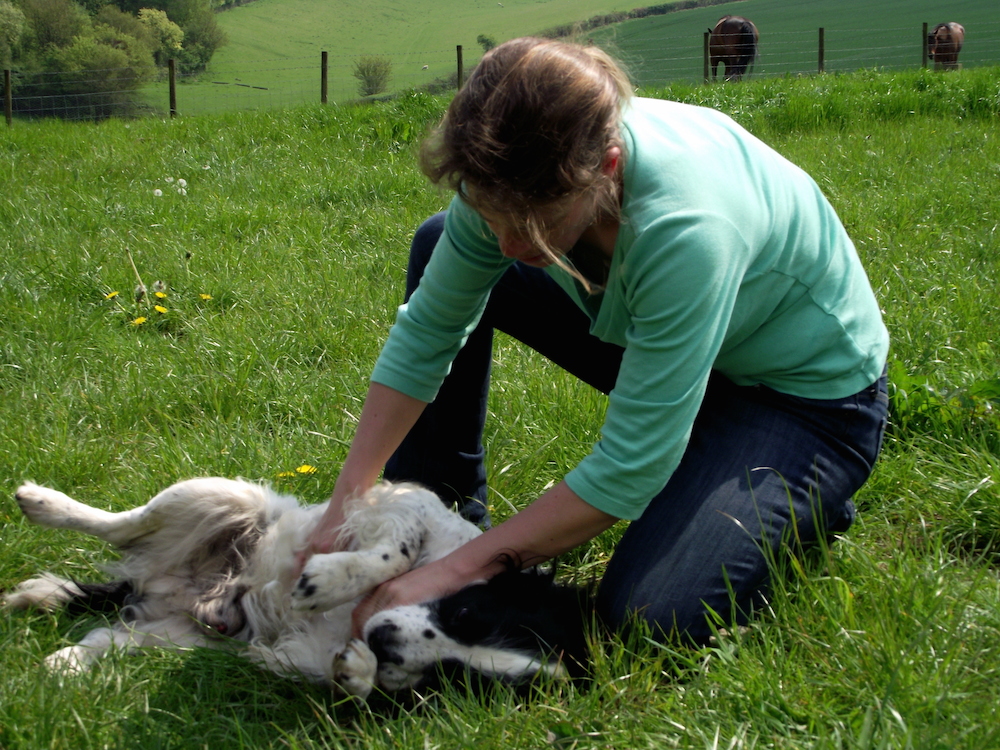
The diagnosis cancer means usually a very emotional time for owners. At Chirovet we try to explain the steps of our treatment plan in order for the owner to understand what we are doing and trying to achieve. We discuss what we expect to happen with the individual treatment and are always there for our owners. It is important that we can support the patient and their family throughout this time. Usually the patients are seen on a two weekly basis to start with until we know how the patient reacts to the treatment plan and what we need to adjust or improve. The intervals will be spaced out as soon as the patient is stable in their treatment.
How we work with referring vets when handling confirmed animal oncology cases
In order to give our clients the best service possible we like to work hand in hand with everyone that has to do with the patient. We request the medical history of the conventional treating veterinarians and discuss treatment with them if necessary so everyone can bring their specialised knowledge to use. Further we will speak with trainers, nutritionists and behaviourists, if necessary all to the benefit of adding information so we can choose the best individual treatment plan.
Cancers we are most often asked to help with
We estimate that one in four dogs develops neoplasia in its life. We use a minimalistic, gentle approach of acupuncture and Herbal medicine to treat cancer. This can be used in addition to conventional approaches. Many of our holistic treatments are less expensive than the pharmaceutical route and will be covered by most insurance companies if applied by a qualified practitioner.
The cancers we are asked about most often are:
- Lymphoma – In both dogs and cats
- Mast cell tumours – Most often in dogs but they can affect other tissues
- Osteosarcoma – A bone cancer seen more in large breed dogs
- Haemangiosarcoma – Which usually affects the spleen or the heart
- Mammary carcinoma – Particularly in females who have not been spayed
Lymphoma is the one I am asked about most. It often responds well to a combination of herbal formulas, food therapy and acupuncture, whether that runs alongside chemotherapy or on its own where an owner has decided against it.
Splenic tumours, often haemangiosarcoma, are the other common one, and there the aim is generally to improve life qualitiy, reduce pain and increase appetite after surgery.
We use a combination of Food Therapy, Traditional Chinese Herbal Formulas, Acupuncture and Mistletoe Therapy. Mistletoe has a tumor inhibiting effect and modulates and improves the immune system. Particularly Mast cell tumours and soft tissue sarcomas and carcinomas respond well to this.
With the holistic approach of our practice almost all patients improve. We can see this in their energy levels, appetite and vitality.
Our case records show that almost 90% of cases who are treated with Mistletoe in our practice, live months longer than the longest prediction by their conventional vet.
Where we are and who we see
The practice is in Great Chart, a couple of minutes outside Ashford in Kent, with parking on site. Owners travel to us from across Kent and the wider South East, including london, Ashford, Canterbury, Maidstone, Folkestone, Tenterden and the surrounding villages.
If your dog or cat has just been diagnosed and you are not sure whether any of this would suit them, please ring or email us, we are happy to answer any questions.
Frequently Asked ‘Veterinary Oncology Holistic’ Questions
At Chirovet, we embrace a holistic approach to veterinary oncology, focusing on the comprehensive well-being of your pet. This method integrates traditional veterinary knowledge with complementary therapies to address not only the cancer itself but also the overall health and quality of life of your animal.
Our holistic treatments include acupuncture, herbal medicine, food therapy, chiropractic care, Tui-Na (medical massage), and homoeopathy. These therapies are tailored to each individual pet, considering their unique constitution, character, medical history and environment.
Our goal is to provide compassionate care that prioritises your pet’s quality of life, offering support and guidance throughout their cancer journey. By addressing the root causes of illness and focusing on the whole animal, we strive to create a balanced and effective treatment plan that promotes healing and comfort.
Pets can develop various cancers, with some of the most common types being:
- Lymphoma: A cancer of the lymphatic system, prevalent in both dogs and cats.
- Mast Cell Tumours: Common skin tumours in dogs, which can also affect other tissues.
- Osteosarcoma: A type of bone cancer more frequently seen in large-breed dogs.
- Haemangiosarcoma: A cancer originating from blood vessels, often affecting the spleen or heart.
- Mammary Gland Carcinomas: Breast cancer, particularly common in unspayed female dogs and cats.
Early detection and treatment are crucial for managing these conditions effectively.
Yes. Cats are a smaller part of my caseload than dogs, but they respond well and most tolerate acupuncture far better than their owners expect.
Some herbs support chemotherapy and some compete against it, which is exactly why a specialist holistic veterinary surgeon should be consulted. If your animal is having chemotherapy I will choose herbal formulas that will complement the treatment plan.
No. Diagnosis, imaging, surgery and chemotherapy stay with your conventional practice. We will work alongside, and with your permission I will ask them for the medical history so that we are all working towards the same goal.
Most insurers cover it when it is given by a qualified veterinary surgeon, however cover does vary, so please check your policy.
Great Chart, just outside Ashford in Kent, with parking on site. Owners travel to us from across Kent and the South East.